How to plan a game night people want to play
Choose one main game, explain the evening before explaining the rules, and leave room for a practice round. A good game night needs a clear starting point more than it needs a packed schedule.
Start with the people, not the game shelf
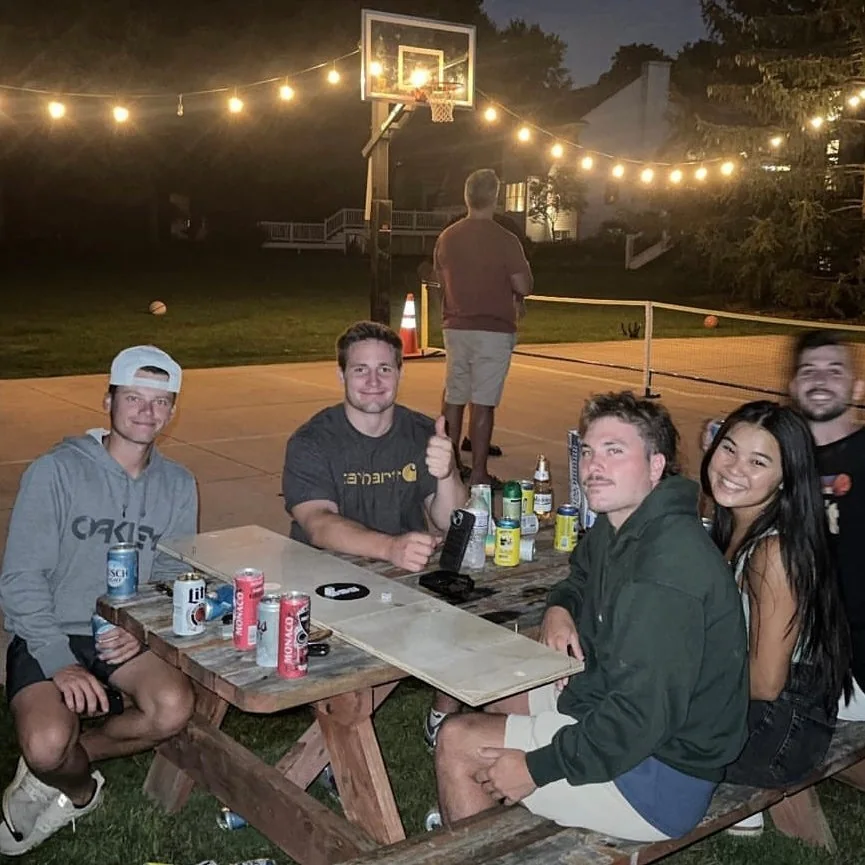
Before choosing a game, ask who is coming, when they can arrive and whether they want a competitive evening or a casual catch-up. Those answers give you a useful brief. A group of returning players can start differently from a table where half the people have never seen the equipment.
Send an invitation with a start and finish time, the rough plan and anything guests should bring. Say whether you will explain the game from scratch. That small detail makes the invitation clearer for someone who might otherwise assume everyone already knows how to play.
Choose one main game and one fallback
Build the evening around a game that fits the number of people actually playing. Keep a shorter alternative available for late arrivals or the last part of the night, but avoid turning the opening half-hour into a vote on every possible option.
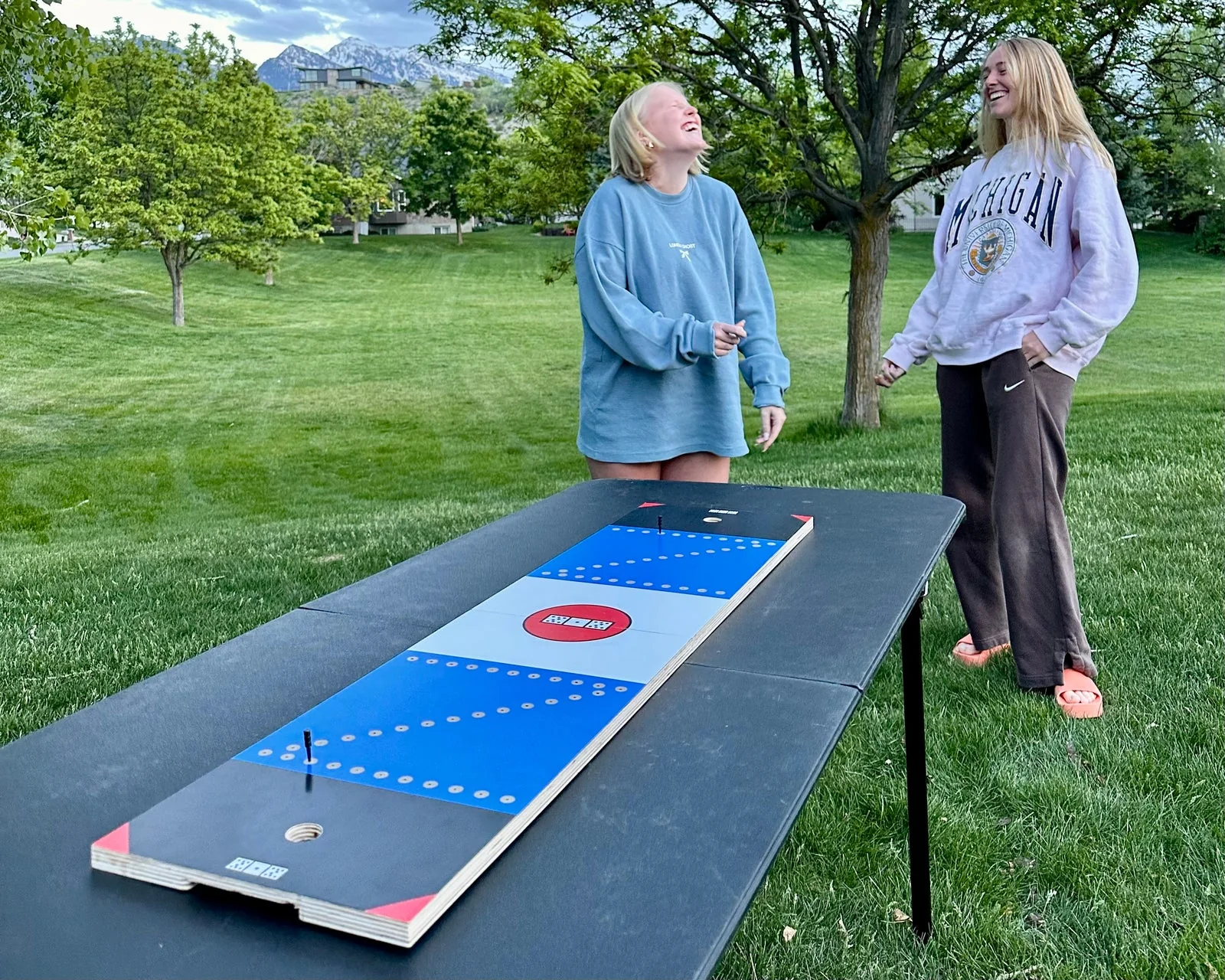
If ZONEZ is your main game, have the rules sheet ready and check the board information before setting up. Do not expect a new player to learn from a list of exceptions while everyone else waits to begin.
Set the table before guests arrive
Give the playing area enough light for everyone to read markings and see the result of a turn. Keep drinks and food off the playing surface. Check that players can take their turns without reaching over someone's plate or moving a chair every time.
- Equipment: Lay out the pieces and check that the set is complete.
- Rules: Keep one agreed reference within reach, rather than several conflicting explanations.
- Scorekeeping: Decide who records the score and when it will be confirmed.
- Breaks: Pick a natural stopping point so nobody has to guess when they can step away.
Use a loose running order
For a two-hour get-together, try the outline below as a planning example, not a promise about how long any particular game takes. If your main game needs more time, cut the optional second activity rather than rushing the explanation.
| Time | Plan |
|---|---|
| First 15 minutes | Arrive, settle in and introduce the game. |
| Next 15 minutes | Explain the goal and play a practice turn. |
| Next hour | Play the main game, with a pause at a natural break. |
| Final 30 minutes | Finish, replay if time allows, or switch to the fallback. |
Keep beginners involved without taking over
Offer a player two understandable choices instead of announcing the move they should make. Ask before giving advice. If someone prefers to watch one round, explain what they should look for and offer a specific point at which they can join.
For mixed-experience teams, agree whether teammates can discuss decisions during play. Keep the same arrangement for every team. Our guide to teaching a tabletop game gives you a short explanation order to use before the first scored turn.
End with a clear finish
Agree on the final game before starting it. An open-ended “one more round” can turn a relaxed evening into a late finish that nobody chose. If a match runs long, use the finish procedure you agreed at the start rather than inventing a result halfway through.
Afterwards, ask one useful question: would the group rather replay this game or try something different next time? Keep the parts that worked and change one thing. You do not need to redesign the whole evening.