How to teach a tabletop game without a rules overload
Explain what players are trying to do, show one complete turn, then let everyone try. Save the less common situations until the basic sequence makes sense, without hiding rules that could change a player's decision.
Prepare a short route through the rules
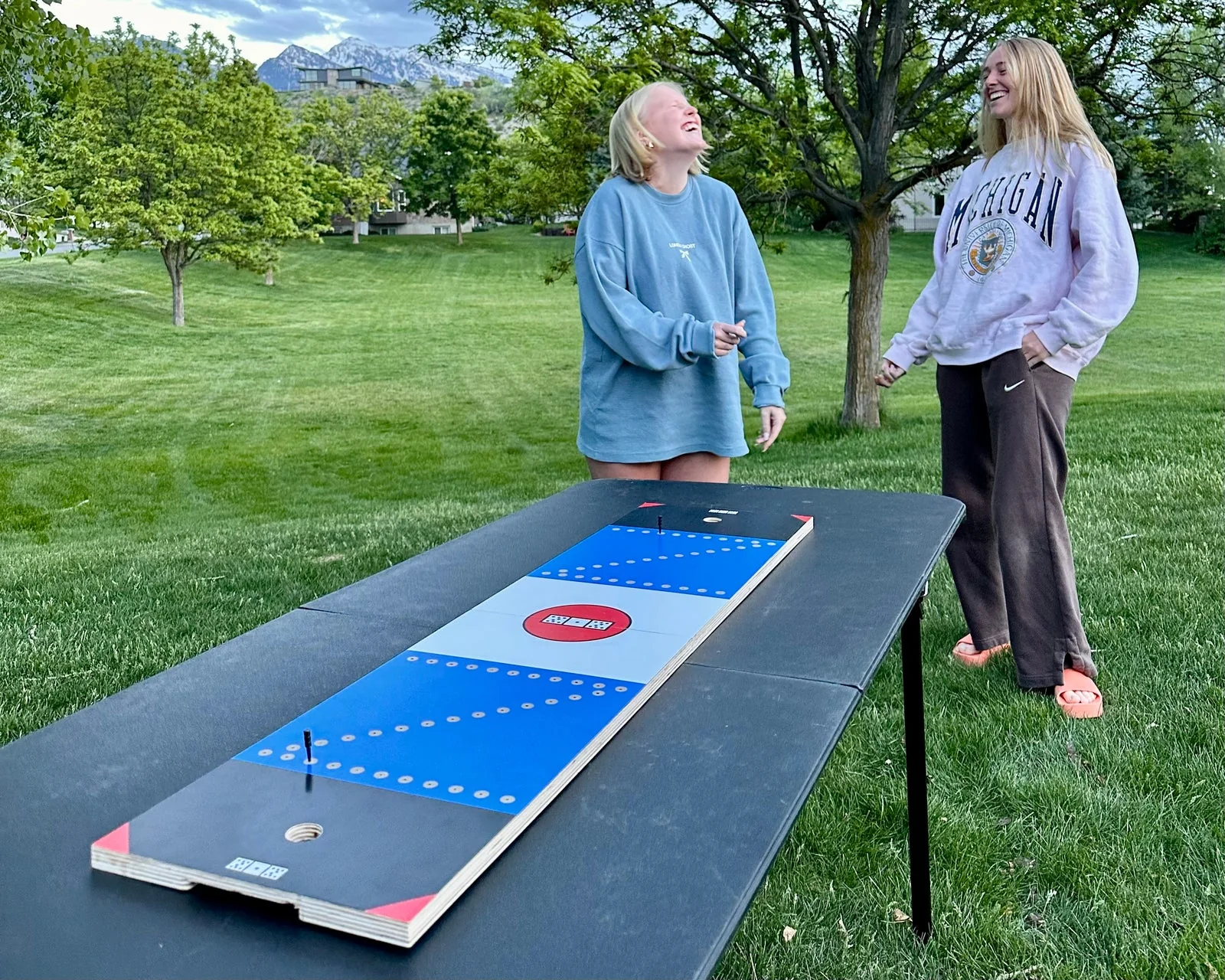
Read the rules yourself before you teach. Lay out the equipment as it will look during play and identify the places where a new player is likely to ask a question: where a turn starts, what counts as a result and how the game ends.
Keep the official reference open. If you are introducing ZONEZ, use the ZONEZ rules page as that reference. Your explanation should help people understand the rules, not quietly replace them with the way your last group happened to play.
Lead with the goal
Begin with a plain explanation of what the players are trying to achieve and what ends the game. Then point to the equipment that tracks progress. Someone should be able to answer “what am I aiming for?” before hearing a detailed account of every possible turn.
Separate the game's objective from advice about playing well. “This is how a player wins” belongs in the introduction. “I usually prefer this move” is a strategy suggestion and can wait until everyone understands the choice.
Demonstrate one complete turn
Move through a sample turn slowly enough that players can follow the sequence. Show the starting position, the action, the result and the handover to the next player. Use a visible example instead of asking people to picture several steps at once.
- Start: Point out whose turn it is and what they may do.
- Action: Demonstrate the normal action with the actual pieces.
- Resolution: Explain how to read or score the result.
- Finish: Show what is reset, recorded or passed to the next person.
If the demonstration produces an unusual result, explain it accurately, then repeat a straightforward example. Do not let the first demonstration become a long detour through every edge case.
Explain important exceptions before they matter
Short explanations are useful, but surprise rules are not. Before scored play starts, cover anything that changes a legal move, a scoring decision or the end of the game. A beginner should not discover a decisive restriction only after making a choice they cannot undo.
Less consequential details can be answered when they arise. If you are unsure of a rule, pause and look it up. Say that you are checking rather than presenting a confident guess as the answer. Use the same interpretation for everyone once it is resolved.
Make the first turn a practice turn
Tell the group explicitly that the practice turn does not count. Let each player handle the equipment and make a decision, then reset the game before scored play. This gives everyone a chance to test their understanding without wondering whether a mistake has already cost them the match.
Ask a specific question such as “what happens after you finish your turn?” rather than “does everybody understand?” Invite questions without asking one beginner to perform the entire explanation back to the group.
Give advice by invitation
Once play begins, let people own their turns. If someone wants help, explain the trade-off between two legal options instead of moving for them. If they prefer to work it out, give them room to do so within any turn-time agreement the group has made.
For an evening with several new players, leave extra space in your game-night plan. A clear first explanation is more useful than squeezing another match into the schedule. The next time the same group plays, you can start with a short reminder instead of repeating the full lesson.